

Homes close to neighbours
Get useful colour detail without pointing a bright white light across somebody else’s garden or bedroom window.
6PM CUT OFF - Order Late
FREE DELIVERY - Orders £300+
MARKETING - Grow Your Brand
XP CENTRE - Unlock Exclusive Perks
There are plenty of cameras that give you colour at night. The question is what they need to switch on to do it.
Give OwlView some ambient light and its F1.0 optics, large sensor and Wise-ISP processing work together to pull usable colour detail out of scenes where ordinary cameras start to struggle.
No need to light the whole site up just to get a useful image.
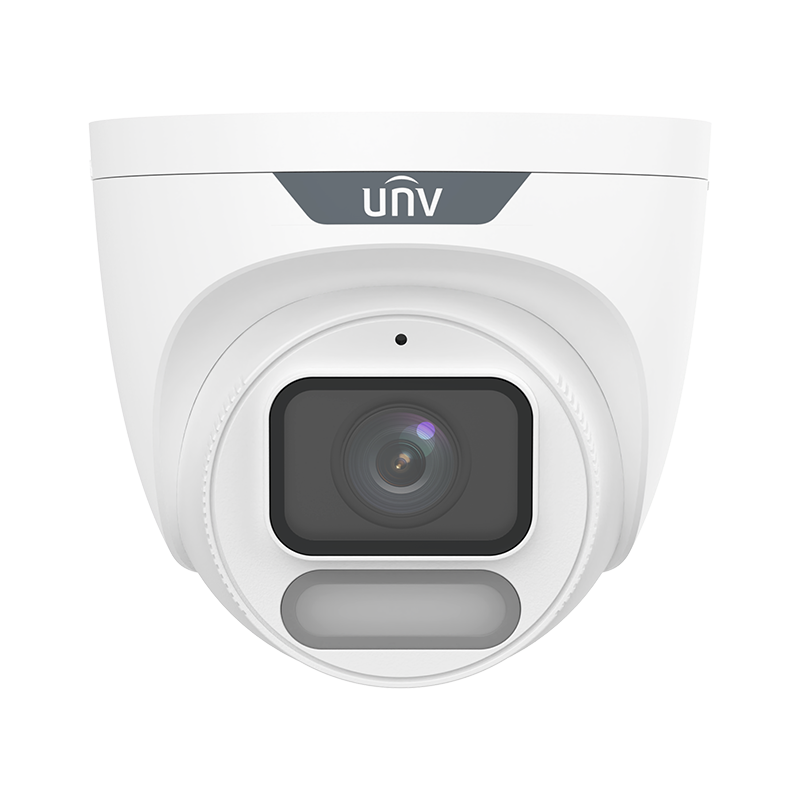
Left is a standard night view. Right is OwlView in the same low light scene. If you are asking your customer to spend more for better night footage, this is the difference you are selling.
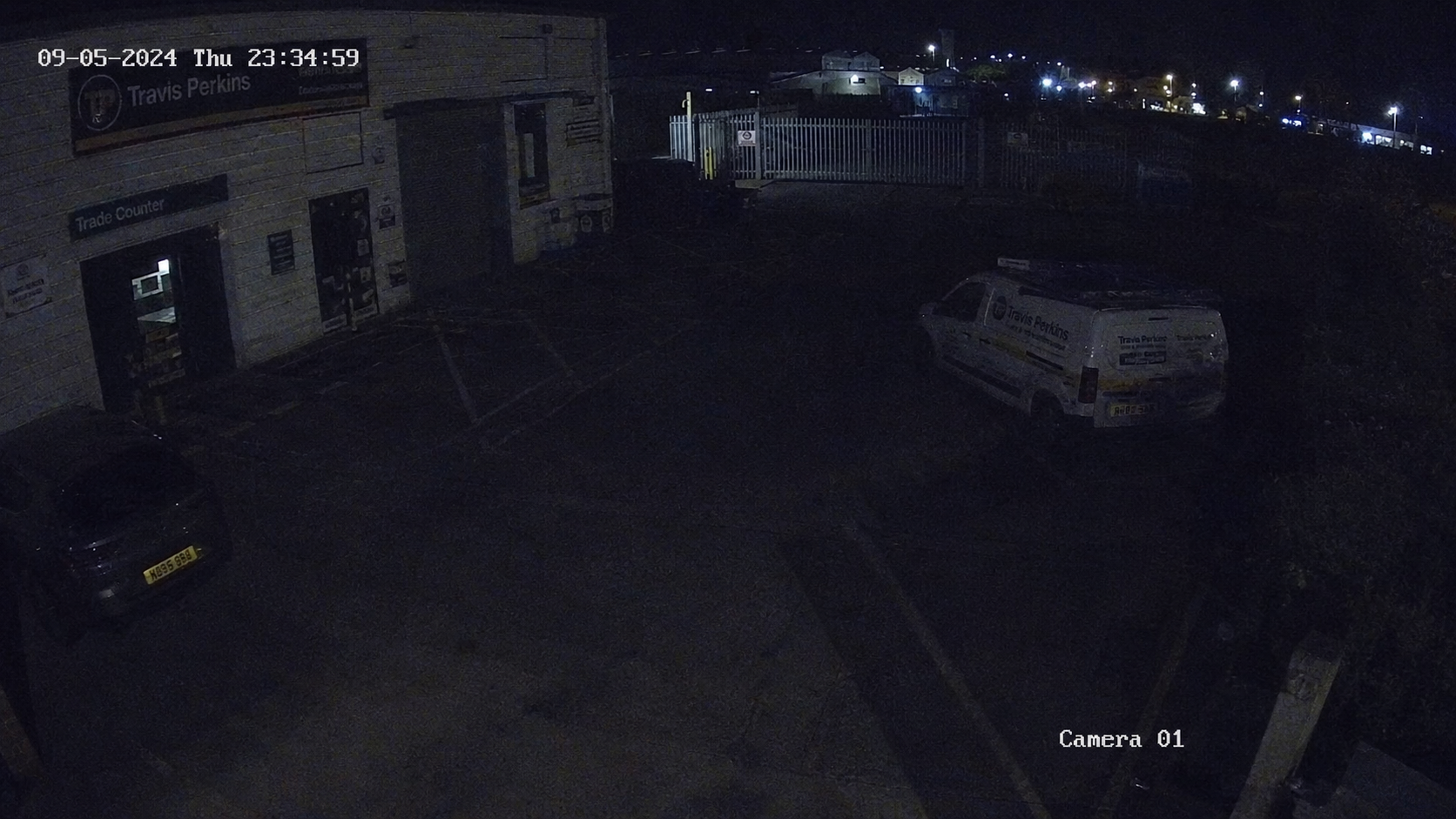
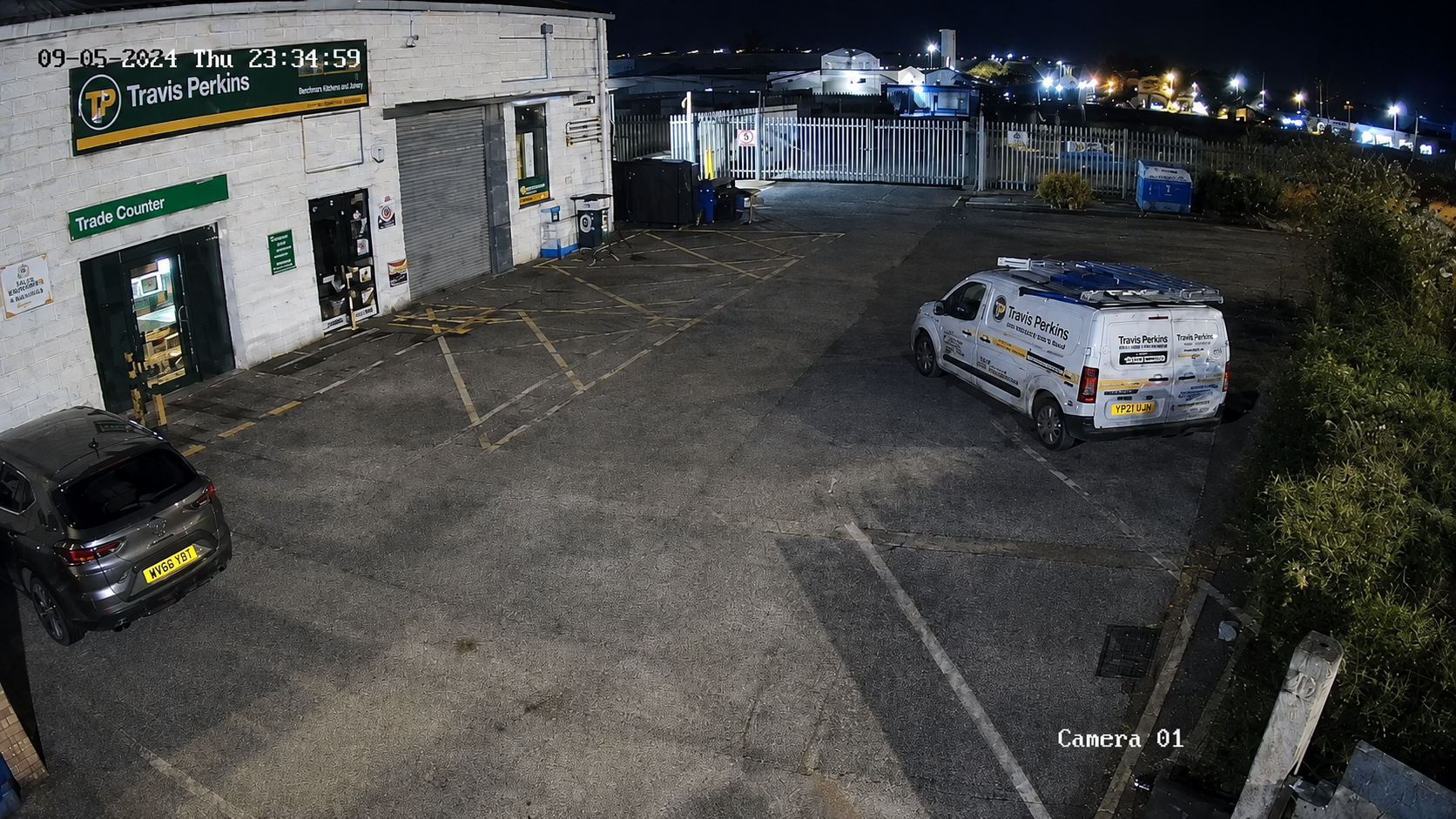
If the site already has some ambient light, you can improve the night image without adding a bright white light just to keep colour.
Think street lamps, shop signage, nearby buildings or a car park that never gets completely dark.
Get useful colour detail without pointing a bright white light across somebody else’s garden or bedroom window.
Make better use of the lighting that is already there, without adding another obvious source of glare to the frontage.
Street lights and existing site lighting can give OwlView the ambient light it needs to hold useful colour detail.
When the brief calls for CCTV without a camera visibly lighting the scene every time darkness falls.
Good low light footage needs light to reach the sensor in the first place. OwlView combines the optics, sensor and image processing rather than trying to fix everything afterwards.
Opens the lens up to capture substantially more available light than a conventional smaller aperture.
A larger sensor helps the camera gather more light when conditions start getting difficult.
Brightness, colour, detail and noise are processed in real time to get more from the image the sensor captures.
OwlView options cover the everyday 4MP jobs as well as installations where you want the additional detail of 8MP.
The easiest way to understand OwlView is to see the night footage yourself.
Put one on the next site with a bit of ambient light. Leave the supplementary lighting out of the equation. Then check the footage when it gets dark.
You’ll know pretty quickly where OwlView belongs in your kit bag.
A straightforward way to try the technology on a real installation.
VIEW 4MP OWLVIEW TURRET → Or see the full OwlView range → The sensible first OwlView to put on a typical residential or commercial CCTV job.
VIEW PRODUCT → Step up when the job calls for greater image detail while keeping OwlView’s low light performance.
VIEW PRODUCT →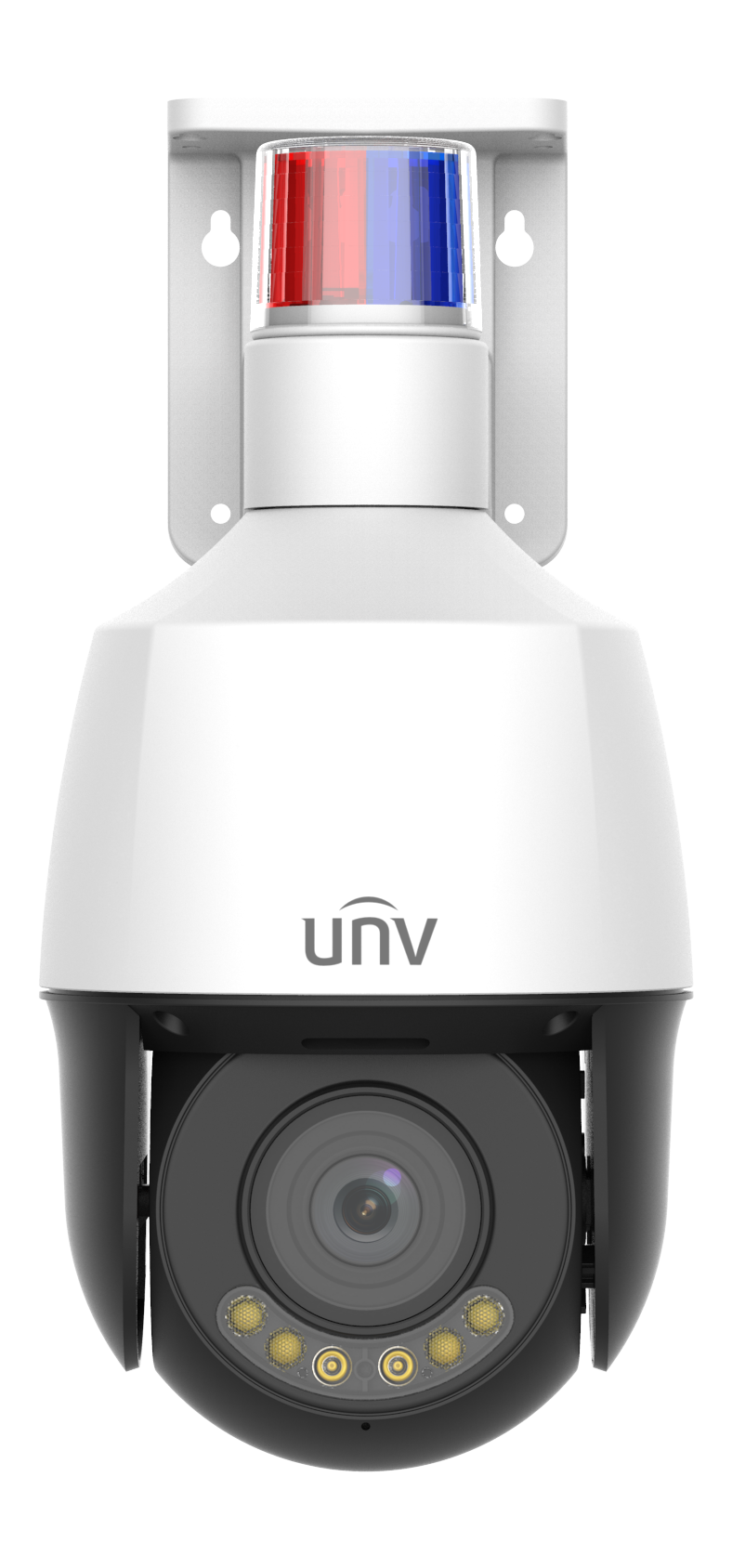
Once you know where you want OwlView, choose the housing, colour and coverage that suit the site.
VIEW THE RANGE →OwlView still needs light to make a colour image. Its strength is getting far more from low levels of ambient light than you might expect. Street lighting, nearby buildings, signage and general site lighting are exactly the sort of conditions where it earns its place.
No. Some models provide supplementary lighting when the scene needs it. The point is that you are not relying on blasting the area with light whenever useful colour footage is required.
Start with sites that retain some ambient light after dark, especially where additional lighting would be intrusive, distracting or likely to cause complaints.
For a straightforward test, the 4MP turret is an easy place to start. If you are unsure which model suits the job, speak to Satsecure and we’ll help you spec it.
Don’t judge it from a spec sheet. Put one up, let the sun go down and look at the footage.
We use cookies to ensure that you receive the best experience possible whilst you use our website.